
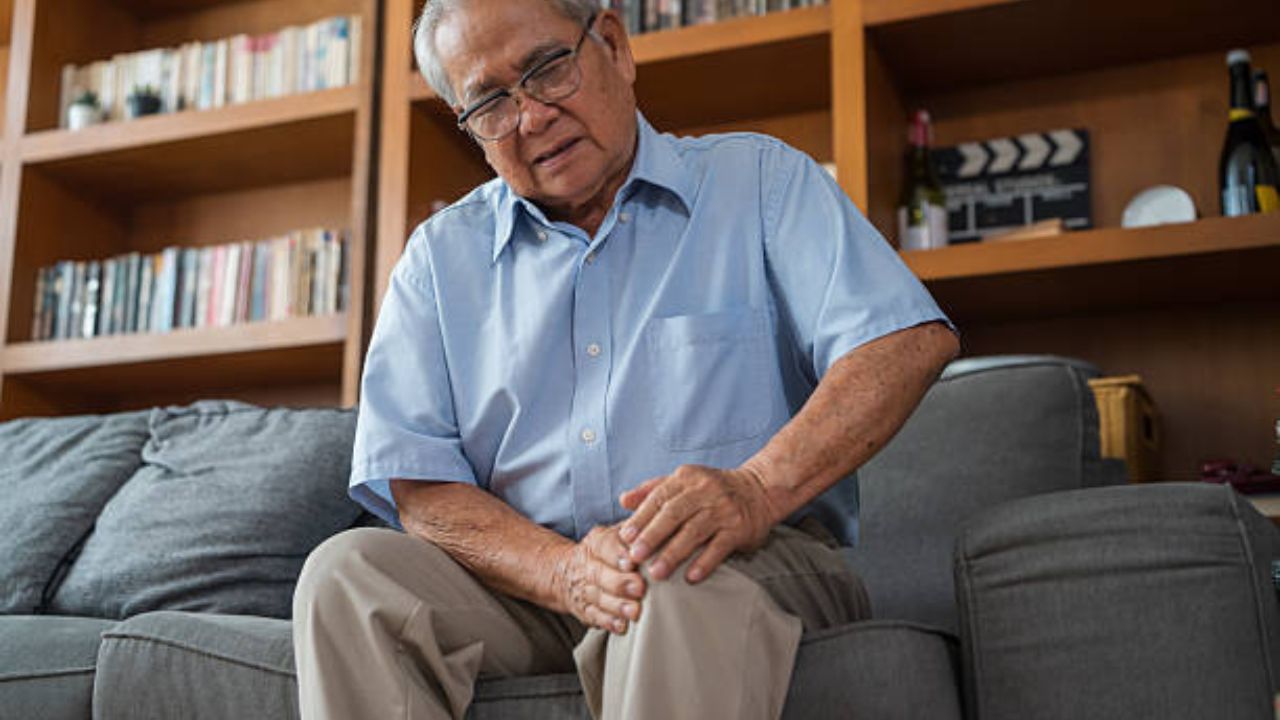
Growing older brings many changes, but some of the most important ones happen so gradually that you may not notice them until they begin to affect your independence. After 70, changes in your muscles, heart, bones, senses, and digestive system can influence how comfortably and confidently you live each day.
The good news is that understanding these changes early can help you take practical steps to protect your health and maintain your independence. By paying attention to your body and developing healthy daily habits, you can improve your chances of staying active and enjoying life as you grow older.
1. Your Muscles Begin to Weaken, Making Everyday Tasks More Difficult
One of the most important changes that comes with aging is the gradual loss of muscle mass and strength, a condition known as sarcopenia. Although this process can begin in your 30s, it often accelerates after age 65, making ordinary activities increasingly challenging as the years pass.
You might first notice the change when opening a jar becomes difficult, carrying groceries feels exhausting, or getting up from a chair requires more effort than before. These may seem like minor inconveniences, but they can be early signs that your muscles are losing some of their strength and ability to support your daily activities.
Consider Carol, a 69-year-old woman who had always valued her independence. One afternoon, she struggled to open a jar of pasta sauce and had to ask her son for help, an experience that made her realize her hands were no longer as strong as they used to be.
The concern goes beyond losing the ability to perform small tasks. As muscle strength declines, standing up without assistance, climbing stairs, walking steadily, and carrying everyday items can become more difficult, potentially increasing the risk of falls and dependence on others.
Fortunately, there are practical ways to protect your muscles as you age. Resistance exercises using light weights, resistance bands, or your own body weight can help maintain strength, while simple movements such as repeatedly sitting down and standing up from a chair can be a useful starting point.
Aim to include strength-building activities in your routine two or three times a week, adjusting the intensity to your abilities and seeking professional guidance if you have health concerns. Eating enough protein is also important, so consider including foods such as eggs, fish, chicken, beans, and yogurt in your meals.
Carol began using resistance bands for 15 minutes each morning and paid closer attention to her protein intake. Three months later, she reported that she could open a jar without even thinking about it, showing how consistent habits can help preserve strength and confidence.
2. Your Arteries Become Stiffer, Putting More Strain on Your Heart
Another important change involves your cardiovascular system, particularly the arteries that carry blood throughout your body. As you age, these blood vessels can become stiffer and less flexible, a process associated with arterial stiffening and atherosclerosis, which involves the buildup of plaque inside the arteries.
When your arteries become less flexible, your heart may have to work harder to move blood around your body. This can contribute to higher blood pressure and increase the strain on your cardiovascular system, especially when other risk factors are present.
You may notice that activities you once performed effortlessly now leave you unusually tired or short of breath. For example, climbing a familiar flight of stairs might suddenly feel much more demanding than it did a few years earlier.
Although aging can affect cardiovascular function, these symptoms should not automatically be dismissed as a normal part of getting older. New or worsening breathlessness, chest discomfort, or a noticeable decline in exercise tolerance deserves medical attention because heart and lung conditions can produce similar symptoms.
Regular aerobic exercise is one way to support your cardiovascular health. Brisk walking, swimming, and cycling can help improve fitness, and many adults can work toward at least 150 minutes of moderate-intensity aerobic activity each week, provided their health and abilities allow it.

Your diet also plays an important role in protecting your heart. Reducing excessive salt intake, limiting foods high in saturated fats and added sugars, and eating more fruits, vegetables, whole grains, and other nutrient-rich foods can help support healthy blood pressure and cholesterol levels.
It is also important to monitor your blood pressure and discuss your cardiovascular risk factors with your doctor. With appropriate exercise, a balanced diet, and regular medical checkups, you can take meaningful steps toward maintaining a healthier heart as you grow older.
3. Your Bones Become More Fragile, Increasing the Risk of Serious Fractures
Bone loss is another change that can occur quietly as you age. Your bones may gradually lose density and strength without causing pain or obvious symptoms, leaving you more vulnerable to fractures from falls or relatively minor injuries.
This condition is known as osteoporosis, and it can affect both women and men. Women face an increased risk of bone loss after menopause, while men also experience greater risks as they grow older, particularly after age 70.
Consider Susan, a healthy 74-year-old woman who slipped on an icy walkway one morning. Her family later learned that her hip may have fractured before the fall, illustrating how weakened bones can sometimes contribute to a fall rather than simply result from it.
Although not every fall involving a fracture happens this way, the example highlights why bone health deserves attention. A hip fracture can lead to surgery, lengthy rehabilitation, reduced mobility, and a loss of independence, especially in older adults.
Weight-bearing activities can help support bone health by encouraging your bones to respond to the demands placed on them. Walking and climbing stairs may be suitable options for many people, while dancing or other forms of exercise can provide additional benefits when they are safe for your balance and physical condition.
Nutrition is equally important, particularly calcium and vitamin D. Adults over 70 generally need around 1,200 milligrams of calcium daily, while the recommended dietary allowance for vitamin D is 800 international units per day for adults over 70.
Good sources of calcium include dairy products, calcium-fortified foods, and certain leafy green vegetables. Vitamin D supports calcium absorption, and your doctor can help determine whether you need a supplement based on your diet, health, medications, and individual risk factors.
You should also ask your healthcare provider whether a bone density test is appropriate for you, especially if you have a history of fractures or other osteoporosis risk factors. Identifying weak bones early allows you to explore suitable treatments and preventive measures before a serious injury occurs.
4. Your Vision, Hearing, and Balance May Become Less Reliable
As you grow older, changes in your senses can affect more than your ability to see or hear clearly. Your vision, hearing, and balance work together to help you understand your surroundings, move confidently, and avoid potential hazards.
When one or more of these systems becomes less effective, everyday activities can become more challenging. You may struggle to see objects clearly in dim lighting, miss important sounds during conversations, or feel unsteady when standing up or walking across a room.
Balance problems can be particularly concerning because they increase the risk of falls. Some older adults experience dizziness or a spinning sensation because of problems affecting the inner ear, while others may have balance difficulties related to medications, vision changes, blood pressure, or neurological conditions.
Evelyn, a 72-year-old woman, became worried when she began feeling unsteady whenever she stood up. Her experience illustrates why persistent dizziness should be discussed with a healthcare professional rather than simply accepted as an unavoidable consequence of aging.
Regular eye and hearing examinations can help identify problems before they significantly affect your daily life. Updated glasses, hearing aids, or appropriate treatment may improve your ability to navigate your surroundings and communicate with others.
You can also work on your balance through suitable exercises. For example, practicing standing on one foot while holding a sturdy counter for support or walking heel to toe along a clear, safe path can help challenge your balance, while activities such as Tai Chi may improve stability and body awareness.
Always prioritize safety when performing balance exercises, especially if you have already experienced a fall or frequently feel dizzy. If you are unsteady, begin with professional guidance and appropriate support rather than attempting difficult movements alone.
Pay attention to your home environment as well by removing loose rugs, improving lighting, clearing walkways, and installing grab bars where needed. These small changes can make your surroundings safer and help you maintain confidence as you move around.
5. Your Urinary and Digestive Systems May Begin to Slow Down
Changes in your urinary and digestive systems can become more noticeable as you get older, affecting your comfort, sleep, and daily routine. Although these issues are common among older adults, they should not automatically be dismissed as something you simply have to endure.
Your bladder may become less able to store urine comfortably, leading to more frequent bathroom visits, including during the night. For men, enlargement of the prostate gland, known as benign prostatic hyperplasia or BPH, can make urination more difficult and create the feeling that the bladder has not emptied completely.
These changes can interfere with restful sleep and make you reluctant to travel, attend social gatherings, or spend long periods away from home. Frequent urination can also have other causes, including diabetes, urinary tract infections, and certain medications, so persistent or worsening symptoms deserve medical evaluation.
Pelvic floor exercises may help some people improve bladder control. These exercises involve gently tightening the muscles used to control the release of urine, holding the contraction briefly, and then relaxing the muscles completely.
You can start with a few repetitions and gradually build a routine, ideally with guidance from a healthcare professional who can confirm that you are using the correct muscles. Avoid regularly stopping your urine stream as a way to practice, because this is not recommended as a routine exercise.
Digestive changes can also become more common with age, and constipation is a frequent complaint. Reduced physical activity, certain medications, changes in diet, and inadequate fluid intake can all contribute to slower bowel movements.
Fortunately, simple habits can make a difference. Eating fiber-rich foods such as vegetables, beans, fruits, and whole grains can help support regular bowel movements, while drinking enough water helps fiber work effectively.
Regular movement is another useful part of maintaining digestive health. A gentle 15-minute walk after meals may encourage physical activity and support digestion, provided walking is comfortable and appropriate for your health.
If constipation persists despite these measures, or if you experience blood in your stool, severe abdominal pain, vomiting, or unexplained weight loss, seek medical advice. Similarly, difficulty urinating, blood in the urine, or an inability to pass urine requires prompt medical attention.
How to Protect Your Independence After 70
The five changes discussed above affect different parts of your body, but they share an important lesson: taking care of your health requires consistent attention rather than waiting for a serious problem to appear. Muscle weakness, arterial stiffening, bone loss, sensory changes, and urinary or digestive difficulties can all affect your independence if they are left unaddressed.
Start by building habits you can maintain over time. Include appropriate strength training and aerobic exercise in your routine, eat a balanced diet with enough protein and fiber, stay adequately hydrated, and make time for regular medical checkups.
It is equally important to pay attention to changes in your body instead of assuming that every new symptom is simply part of getting older. Discuss concerns such as unexplained weakness, unusual breathlessness, recurring dizziness, frequent falls, or persistent urinary problems with your healthcare provider.
EDITORS' RECOMMENDATIONS

Remember that prevention and early treatment can make a meaningful difference, even when some age-related changes cannot be completely avoided. The goal is not to stop aging but to protect your ability to move comfortably, perform everyday tasks, and continue doing the things that make life enjoyable.
Conclusion
Growing older brings changes that can affect your muscles, heart, bones, senses, and internal systems, but these changes do not automatically mean that you must surrender your independence. As the stories in this article demonstrate, paying attention to your health and taking practical steps early can help you remain stronger, safer, and more confident.
The most important lesson is that small, consistent habits matter. Resistance training, aerobic exercise, nutritious meals, balance practice, and regular consultations with your doctor can all contribute to healthier aging when adapted to your individual needs.
You do not have to wait until everyday activities become difficult before taking action. The information is in your hands, and the choices you make today can help shape how well you live in the years ahead.