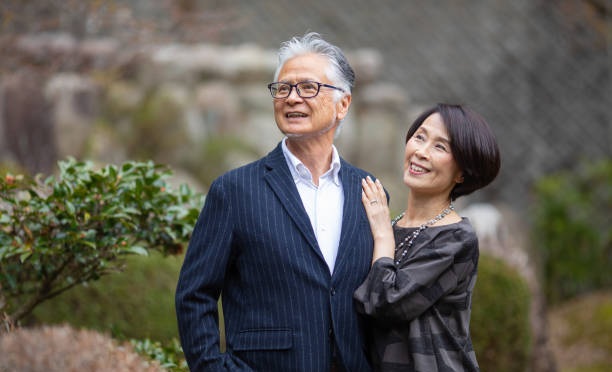
In many parts of the world, wealth is loud. Expensive cars, luxury brands, designer lifestyles, and social media flexing have become symbols of financial success. Yet one of the wealthiest nations on Earth approaches money in a completely different way.
Japan has built generations of quiet wealth through discipline, awareness, patience, and purpose. Many wealthy Japanese families do not advertise their financial status. Instead, they focus on stability, sustainability, and long-term thinking.
Meanwhile, countless people in Western culture work harder than ever while still living paycheck to paycheck. The issue is not always income. Often, it is mindset, habits, and unconscious financial behavior.
The fascinating part is that Japan’s wealth-building principles are not complicated secrets reserved for the elite. They are simple daily habits that anyone can start practicing immediately.
These nine Japanese philosophies can completely transform your relationship with money, consumption, and long-term financial security.
1. Kakeibo: The Mindful Money Journal
The first habit is called Kakeibo, a Japanese budgeting method that has existed since 1904.
Unlike modern budgeting apps that passively track expenses in the background, Kakeibo requires you to physically write down every purchase by hand. That simple act creates awareness.
Most people genuinely do not know where their money disappears every month. Small subscriptions, impulse purchases, food delivery apps, and random online shopping quietly drain finances without notice.
Kakeibo forces honesty.
Expenses are usually divided into four categories:
- Survival expenses like rent, groceries, and bills
- Optional spending like entertainment subscriptions
- Cultural spending such as books or educational experiences
- Extra spending that was unnecessary or impulsive
This system is powerful because awareness naturally changes behavior. Research consistently shows that people who manually track expenses spend less, not because they feel deprived, but because they become conscious of their habits.
Kakeibo also revolves around four important questions:
- How much money do I currently have?
- How much do I want to save?
- How much am I spending?
- How can I improve?
Notice the final question is not “How can I be perfect?” It is simply “How can I improve?”
That mindset matters.
Financial growth does not begin with restriction. It begins with awareness. When you clearly see your spending habits, you naturally start making better decisions.
A simple notebook and thirty days of honest tracking can reveal financial leaks you never noticed before.
2. Mottainai: The Art of No Waste
Japan has a beautiful philosophy called Mottainai, which roughly translates to regret over waste.
In many modern cultures, waste has become normal. People throw away food, replace perfectly usable items, and constantly buy things they never fully use.
This behavior quietly destroys wealth.
Think about it carefully. Every wasted meal represents hours of work converted directly into trash. Every unused item sitting in a closet represents money that no longer serves you.
Mottainai teaches respect for resources.
It is not just environmental. It is deeply financial and philosophical. Every object has value. Every resource required effort to create. Wasting things means wasting your own labor, energy, and future wealth.
The Japanese approach focuses on:
- Buying quality instead of quantity
- Using items completely
- Repairing before replacing
- Repurposing creatively
- Respecting what already exists
This philosophy immediately changes spending habits.
Before buying something, ask yourself:
- Will I truly use this?
- Will this still matter in six months?
- Am I buying this intentionally or emotionally?
Before throwing something away, ask:
- Can this be repaired?
- Can it be donated?
- Can it serve another purpose?
Wealth is not only about earning more money. It is also about wasting less of what you already earn.
3. Kaizen: Small Improvements Every Day
One of Japan’s most famous philosophies is Kaizen, which means continuous improvement through small daily actions.
Many people fail financially because they attempt massive overnight transformations. They create extreme budgets, unrealistic goals, and dramatic lifestyle changes that become impossible to sustain.

Kaizen takes the opposite approach.
Instead of chasing perfection, it focuses on tiny consistent improvements.
This philosophy helped transform Japan into an economic powerhouse after World War II. Companies like Toyota built global success through continuous incremental progress rather than dramatic revolutions.
The mathematics behind Kaizen are extraordinary.
Improving just 1% daily creates massive long-term growth because improvement compounds over time. Tiny actions repeated consistently become life-changing results.
YOU MAY LIKE


Applied to money, Kaizen looks like:
- Saving slightly more each week
- Reducing one unnecessary expense at a time
- Automating small financial habits
- Increasing income gradually
- Improving financial literacy daily
The key is starting so small that failure becomes impossible.
Saving one dollar daily may seem insignificant, but consistency matters more than intensity. Small habits create identity shifts. Eventually, those tiny behaviors become normal parts of life.
Making coffee at home instead of buying it daily might feel minor. Yet one small habit repeated over years can create tens of thousands of dollars in savings and investment growth.
Financial freedom rarely comes from dramatic moments. It usually comes from small smart decisions repeated for years.
4. Ikigai: Purpose-Driven Work
Another powerful Japanese concept is Ikigai, often translated as “reason for being.”
Many people work jobs they dislike purely for income. The result is chronic stress, emotional exhaustion, and constant spending to compensate for unhappiness.
People trapped in stressful work environments often spend money on:
- Retail therapy
- Expensive vacations
- Entertainment escapes
- Excessive dining out
- Impulse purchases
The problem is not only emotional. It is financial.
Ikigai encourages people to find the intersection between:
- What they love
- What they are good at
- What the world needs
- What can provide income
When work aligns with purpose, spending habits often improve naturally.
People who genuinely enjoy their lives usually need fewer coping mechanisms. They spend less trying to escape reality because they no longer hate their daily existence.
This does not mean everyone should quit their jobs immediately. Instead, it encourages gradual alignment.
Start exploring meaningful skills. Build side projects. Learn what energizes you. Slowly create opportunities that align with your strengths and passions.
Purpose-driven living reduces emotional spending and increases long-term satisfaction.
5. Wabi-Sabi: Finding Beauty in Imperfection
Modern culture constantly pushes perfection.
Perfect homes. Perfect bodies. Perfect lifestyles. Perfect social media feeds.
This endless pursuit creates chronic dissatisfaction and unnecessary spending.
Japan offers a different philosophy called Wabi-Sabi, which celebrates imperfection, simplicity, and authenticity.
A scratched table is not ruined. It carries memories.
An older home is not inadequate. It has character.
A reliable older car is not embarrassing. It represents practicality and history.
Wabi-Sabi teaches contentment.
This mindset directly impacts finances because dissatisfaction fuels endless consumption. When people constantly feel that what they have is not enough, spending becomes endless.
Social comparison is one of the most expensive habits in modern society.
Wabi-Sabi encourages gratitude for what already exists rather than obsession with constant upgrading.
The pursuit of perfection is financially exhausting. Contentment creates stability.
6. Hara Hachi Bu: The 80% Rule
In Okinawa, one of the world’s longest-living regions, people practice a principle called Hara Hachi Bu.
It means eating until you are 80% full.
Rather than consuming until discomfort, people stop when comfortably satisfied.
This habit improves health, reduces food costs, and encourages moderation.
The interesting part is that the principle applies far beyond food.
Modern culture constantly encourages maximum consumption:
- Spend everything
- Upgrade constantly
- Chase every desire
- Fully indulge every impulse
Hara Hachi Bu teaches restraint.
Living on 80% of your income while saving 20% creates automatic financial growth. Pursuing 80% satisfaction instead of endless consumption often leads to greater peace and stability.
That missing 20% is where wealth quietly accumulates.
The final portion of consumption usually delivers the least happiness while costing the most money.
Enough truly can be enough.
7. Gaman: The Discipline to Endure
The Japanese concept of Gaman means enduring difficulties with patience and dignity.
Modern culture prioritizes instant gratification. People are encouraged to buy immediately, solve discomfort instantly, and avoid waiting entirely.
Yet the ability to delay gratification is one of the strongest predictors of long-term success.
Financially, Gaman means:
- Waiting before making purchases
- Sitting with temporary discomfort
- Avoiding emotional spending
- Practicing patience
One of the most effective applications is the 30-day rule.
Before making any non-essential purchase, wait thirty days.
Most desires disappear completely during that waiting period. The few desires that remain are usually far more intentional and meaningful.
Impulse spending thrives on urgency. Discipline thrives on patience.
Learning to wait protects wealth.
8. Kintsugi: Repair Instead of Replace
One of Japan’s most beautiful traditions is Kintsugi, the art of repairing broken pottery with gold.
Instead of hiding cracks, Kintsugi highlights them. The repaired object becomes even more meaningful because its history remains visible.
This philosophy challenges modern disposable culture.
Today, many people replace things simply because newer versions exist. Yet constant replacement quietly drains enormous amounts of money.
Kintsugi encourages:

- Repairing clothing
- Maintaining appliances
- Fixing electronics
- Preserving useful possessions
- Valuing longevity
Repair culture saves money while reducing waste.
More importantly, it shifts mindset away from perfection and toward appreciation.
Not everything old needs replacement. Not everything imperfect loses value.
Sometimes repaired things become more meaningful than brand-new ones.
9. Shoganai: Accept What Cannot Be Changed
The final philosophy that ties everything together is Shoganai, meaning “it cannot be helped.”
This is not about surrender or defeat. It is about strategic acceptance.
Many people waste enormous emotional energy stressing about things they cannot control:
- The economy
- Inflation
- Their upbringing
- Other people’s success
- Past financial mistakes
Stress often leads directly to emotional spending.
Shoganai teaches people to release uncontrollable problems and focus entirely on controllable actions.
You cannot change your past.
You cannot control someone else’s advantages.
You cannot predict every economic condition.
But you can control:
- Today’s spending
- Today’s habits
- Today’s discipline
- Today’s choices
That focus creates peace.
Financial growth becomes much easier when energy stops flowing toward comparison and frustration.
EDITORS' RECOMMENDATIONS



The Real Secret Behind Quiet Wealth
These nine Japanese philosophies work together because they are rooted in awareness, discipline, patience, and contentment.
Quiet wealth is not flashy.
It does not demand attention.
It grows slowly through intentional daily behavior.
The most powerful lesson is that financial freedom often has less to do with earning more and more to do with wasting less, consuming less, comparing less, and acting more intentionally.
You do not need to master all nine habits immediately.
Start with one:
- Buy a notebook and practice Kakeibo
- Audit unnecessary waste through Mottainai
- Save one extra dollar today using Kaizen
- Practice the 30-day rule through Gaman
Small consistent changes create extraordinary long-term results.
Japan rebuilt itself from devastation using principles like these. That same wisdom can help anyone build stability, peace, and lasting financial freedom.
Quiet wealth is rarely loud in the beginning.
But eventually, its results become impossible to ignore.