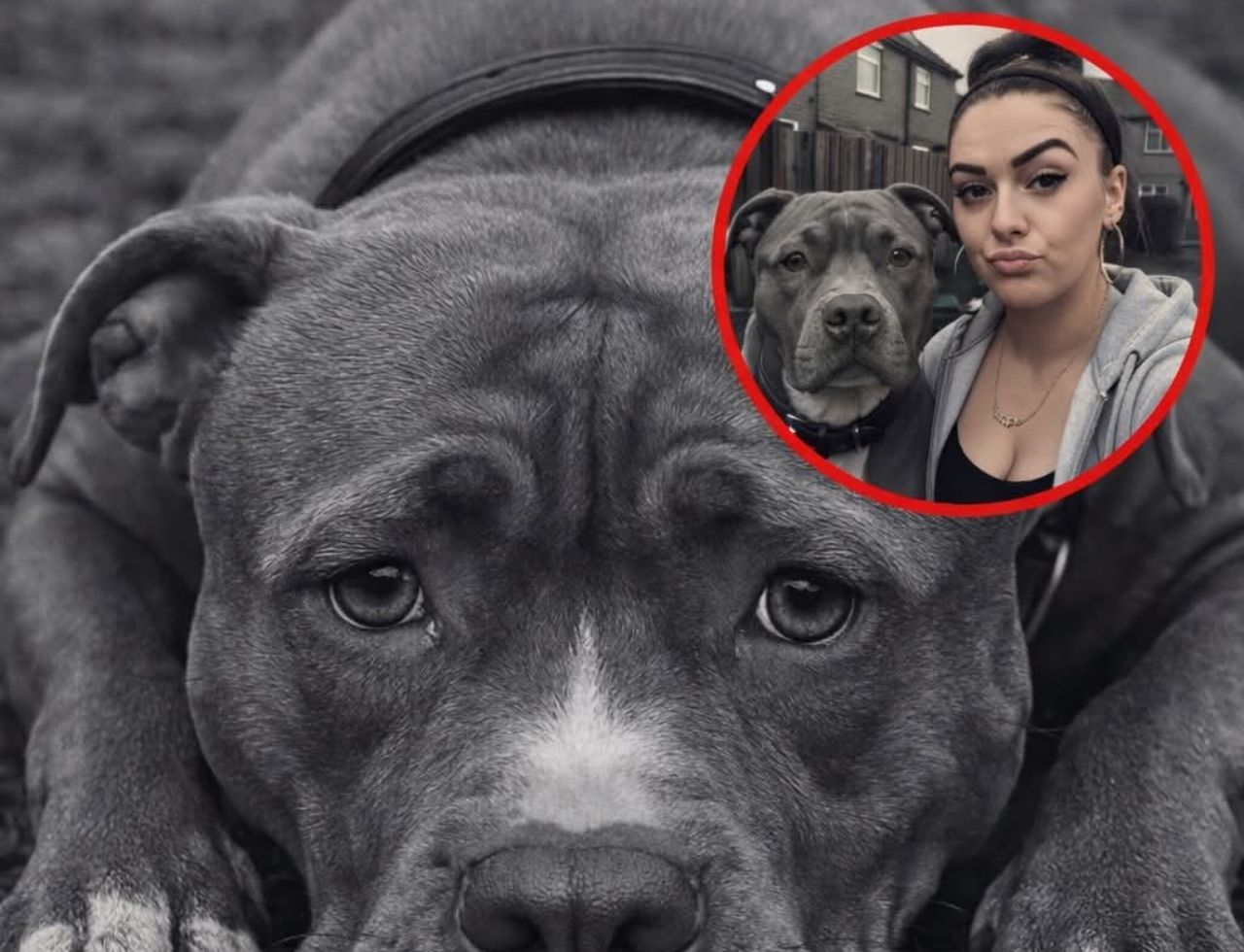
Imagine loving your dog so fiercely that you would risk everything just to give them one last moment of comfort. That is the emotional crossroads Toya Stewart found herself standing at when her pit bull, Hazel, faced a court-ordered euthanasia in Oklahoma City.
This is not just a story about a break-in. It is a story about loyalty, fear, public safety, and the complicated relationship between humans and powerful dogs. Depending on who you ask, Toya’s actions were either heartbreakingly devoted or dangerously irresponsible.
What is certain is that the incident has ignited intense debate online and in local communities about how dangerous dog cases should be handled.
Hazel Was More Than a Pet
For Toya, Hazel was never “just a dog.”
According to her account, Hazel had been a constant companion through some of the most difficult periods of her life, including:
- Experiencing homelessness
- Escaping an abusive relationship
- Navigating periods of deep personal instability
In those moments, Toya says Hazel provided emotional grounding and protection when little else felt secure. That kind of bond can become profoundly deep, especially for people who rely heavily on their pets for emotional support.
From Toya’s perspective, every decision she later made was shaped by that history.
The Incidents That Changed Everything
Despite the strong bond between owner and dog, Hazel’s record with city authorities told a more troubling story.
Officials reported that Hazel:
- Bit a mail carrier
- Was involved in another biting incident with a different dog
- Was ultimately classified as a dangerous animal
Under local public safety laws in Oklahoma, repeated biting incidents can trigger strict legal consequences. After reviewing the case, a judge ordered Hazel to be euthanized.
Hazel was taken into custody and placed in the Oklahoma City Animal Welfare facility to await the court’s directive.
For Toya, this ruling felt devastating — and, in her view, unfair.
A Different View of the Same Dog
Where authorities saw risk, Toya saw fear and protectiveness.
She reportedly argued that Hazel was:
- Protective rather than aggressive
- Fearful in unfamiliar situations
- A candidate for rehabilitation instead of euthanasia
Like many pet owners facing dangerous dog designations, Toya searched for alternatives. These included attempts to:
- Challenge the court ruling
- Explore behavioral rehabilitation
- Seek possible relocation options
But none of those efforts succeeded. With the euthanasia date looming, desperation began to set in.
The Night Everything Escalated
Late one night, events took a dramatic turn.
According to reports later cited by Newsweek and KOKH FOX25, Toya went to the shelter facility after hours.
Authorities say she:
- Broke a window to gain entry
- Located Hazel inside the kennel area
- Removed the dog from the shelter
- Escaped by crawling under a fence
In that moment, Toya succeeded in doing what the court had forbidden — bringing Hazel home.
For several days, the pit bull was back in familiar surroundings, reportedly sleeping beside the person she trusted most.
The Aftermath: Arrest and Return
The reunion did not last long.
Authorities eventually tracked down Toya and Hazel. The consequences were swift:
- Toya was arrested on burglary charges
- Hazel was returned to the shelter
- The original euthanasia order was carried out
The ending was exactly what Toya had tried to prevent.
Despite the legal consequences, Toya later stated she would make the same decision again — believing Hazel deserved to know she was loved and fought for until the very end.
Why the Internet Is So Divided
Few animal stories generate as much heated debate as dangerous dog cases, and this one quickly spread across social media.
Those Who Support Toya
Supporters view her actions as an act of extraordinary loyalty. Common arguments include:
- The emotional bond between humans and pets can be life-saving
- Some dogs labeled dangerous can be rehabilitated
- Breed bias, particularly against pit bulls, may influence outcomes
- Desperate people sometimes make desperate choices out of love
To this group, Toya’s break-in was misguided but deeply human.
Those Who Oppose Her Actions
Critics focus primarily on public safety and rule of law. Their concerns include:
- Bite victims must be protected
- Dangerous dog laws exist for community safety
- Court orders cannot be ignored without consequences
- Emotional attachment should not override documented risk
From this perspective, the situation is tragic but necessary.
The Bigger Questions This Case Raises
Beyond the emotional headlines, the incident highlights several complex issues communities continue to wrestle with.
1. Dangerous Dog Designations
How should cities balance:
- Second chances for animals
- Owner responsibility
- Protection of the public
There is no universally accepted standard, and policies vary widely by jurisdiction.
2. Breed Perception
Pit bulls remain one of the most controversial dog types in the United States. Advocates argue they are often unfairly stigmatized, while critics point to bite severity statistics.
The truth is nuanced:
- Behavior is influenced by training, environment, and genetics
- Powerful breeds can cause more severe injuries when incidents occur
- Public perception often shapes policy
Hazel’s case sits squarely in the middle of this ongoing debate.
3. The Emotional Weight of Animal Control Decisions
Animal control cases are rarely purely legal matters. They often involve:
- Deep human attachment
- Trauma histories
- Fear and grief
- Community safety concerns
Officials must make decisions that are legally sound but emotionally devastating for owners.
A Story Without Easy Answers
In the end, the story of Toya and Hazel resists simple judgment.
It is simultaneously:
- A story of fierce loyalty
- A reminder of real public safety risks
- A case study in how emotionally complex dangerous dog rulings can become
Reasonable people can — and clearly do — come to very different conclusions about whether Toya was driven by love or crossed a serious legal line.
What remains undeniable is the human heartbreak at the center of the story.
Final Thoughts
Cases like this force communities to confront uncomfortable realities about pet ownership, responsibility, and compassion. They also remind us that behind every headline about a “dangerous dog” is usually a deeply emotional human story.
Toya Stewart’s actions will likely continue to spark debate for years to come. Whether viewed as an act of devotion or a violation of public trust, her story highlights the difficult balance between:
- Love and accountability
- Compassion and safety
- Individual bonds and community protection
There are no easy answers — only hard lessons about the powerful connections people form with the animals they call family.