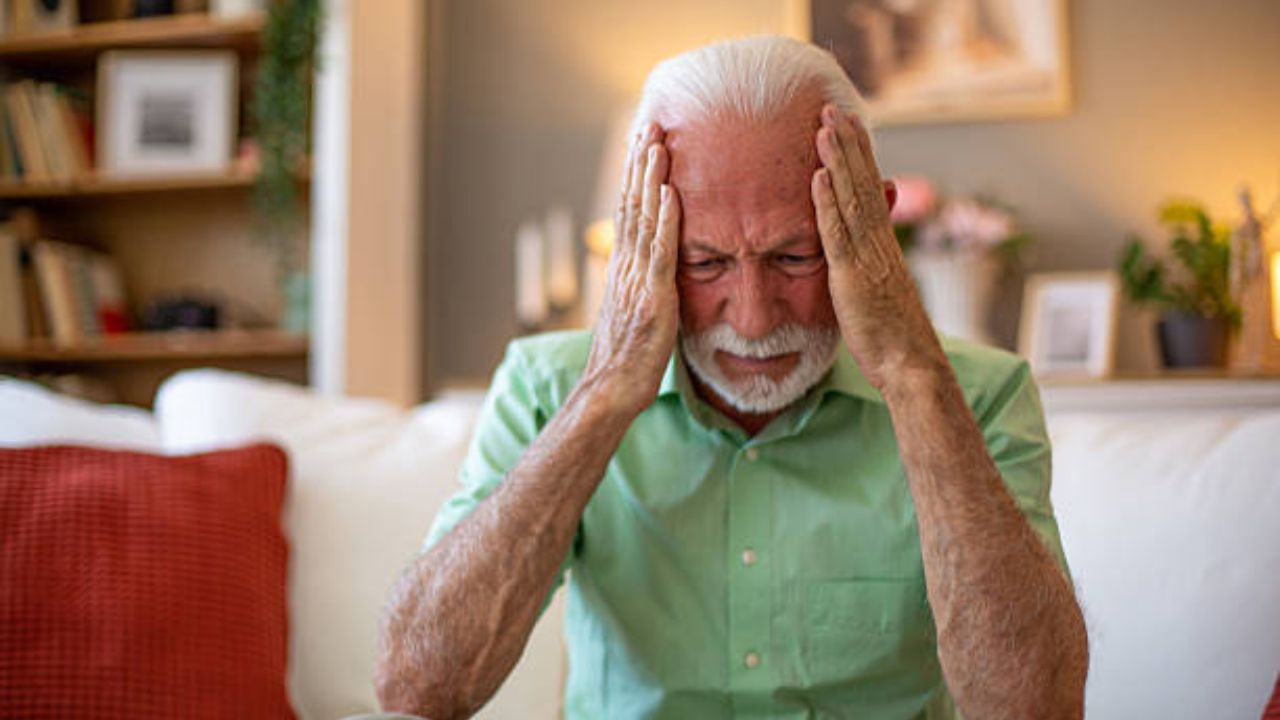
Have you ever watched a parent or loved one who seemed perfectly healthy at 70 suddenly struggle with everyday activities? Perhaps they were driving, walking independently, and managing their daily routines just a few months ago, but now they need help with things they once did without difficulty.
For many families, this kind of decline can be confusing and heartbreaking. However, after 30 years of nursing experience, one important lesson stands out: what appears to happen suddenly is often the result of smaller changes that have been building beneath the surface for months or even years.
Understanding why this happens can help families recognize warning signs earlier and take steps to protect an older adult’s strength, mobility, and independence. Here are six important reasons why seemingly healthy people over 70 can experience a sudden decline.
1. Hospitalization Can Change Everything
A hospital stay can have a significant impact on an older adult, even when the original illness is successfully treated. During hospitalization, people often move less, sleep poorly, eat less than usual, and become disoriented, all of which can affect their recovery.
Older adults can also lose muscle strength surprisingly quickly when they spend extended periods in bed. Someone who walked independently before being admitted may return home needing a walker or assistance with everyday activities.
The challenge is that the body does not always recover as easily after 70 as it did at a younger age. Even when medical treatment goes well, the weakness and loss of mobility that develop during a hospital stay can take time to overcome.
2. Muscle Loss and Reduced Mobility
Muscle strength plays a major role in maintaining independence as we age, yet many people underestimate its importance. Muscle loss often happens gradually, making it easy to overlook until everyday activities such as climbing stairs, getting out of a chair, or walking longer distances become more difficult.
When an older adult becomes less active after an illness or fall, the decline can accelerate. Fear of falling may also cause someone to avoid movement, creating a cycle in which reduced activity leads to further weakness and an increased risk of falling.
Maintaining strength and mobility is therefore essential for aging well. The goal is not to become a bodybuilder but to preserve the physical abilities needed to manage daily life and remain independent for as long as possible.

YOU MAY LIKE



3. Social Isolation After Retirement or Loss
Retirement, the death of a spouse, and the loss of close friends can significantly change an older person’s daily life. As social circles become smaller, some people gradually lose the routines, relationships, and sense of purpose that once kept them engaged.
Isolation affects more than emotional well-being. It can influence appetite, sleep, motivation, physical activity, and cognitive function, potentially contributing to a broader decline in health.
Older adults may not always admit how lonely they feel, especially if they have always been independent. Maintaining meaningful relationships, participating in social activities, and having regular contact with loved ones can help support both emotional and physical well-being.
4. Medication Overload and Side Effects
As people grow older, they may accumulate prescriptions from several doctors and specialists. Although each medication may have a legitimate purpose, taking multiple medications can increase the risk of side effects and interactions.
Sometimes, symptoms that appear to be signs of aging may actually be related to medication. Dizziness, fatigue, confusion, and weakness can sometimes occur because of a particular drug, a combination of medications, or a change in dosage.
This is why regular medication reviews are important, particularly when an older adult begins experiencing new symptoms. A pharmacist or doctor can review all prescriptions, over-the-counter medicines, and supplements to identify potential problems, and medications should never be stopped or changed without professional guidance.
5. Ignoring Small Warning Signs
Many serious health problems begin with subtle changes that are easy to dismiss. An older adult might become slightly more forgetful, lose their appetite, feel unusually tired, develop worsening balance, or gradually stop participating in activities they once enjoyed.
Families sometimes overlook these changes because they happen slowly. Older adults may also hide their symptoms because they fear losing their independence or becoming a burden to their loved ones.

However, recognizing these early signs can make a meaningful difference. New or worsening symptoms deserve attention, especially when several changes appear together, because they may indicate an underlying medical problem that needs assessment.
6. The Body Becomes Less Resilient With Age
One of the biggest reasons healthy older adults can decline quickly is that the body gradually loses some of its ability to recover from physical stress. This is often described as a reduction in reserve capacity, meaning the body has less room to cope when something goes wrong.
At 30, a person might recover relatively quickly from an infection, an injury, or several nights of poor sleep. At 70 or older, the same event may have a much greater impact, potentially leading to weakness, confusion, reduced mobility, or difficulty managing daily activities.
This does not necessarily mean that the person was completely healthy one day and suddenly became frail the next. Instead, several small changes may have reduced their ability to cope, and one additional illness or stressful event may have exposed those underlying vulnerabilities.
Why Families Often Miss the Signs of Decline
Families naturally feel shocked when an older loved one suddenly needs more help than before. They may assume that something catastrophic must have happened, but decline often results from several smaller factors accumulating over time.
Older adults can also be remarkably good at compensating for their limitations. They may continue performing familiar tasks while quietly struggling with fatigue, balance, memory, or other difficulties until their usual coping strategies are no longer enough.
Paying attention to patterns is therefore essential. Changes in walking speed, appetite, sleep, energy, memory, or social engagement may provide important clues that an older adult needs additional support or medical evaluation.
How to Help Older Adults Maintain Their Independence
Although aging cannot be stopped, there are practical ways to support strength, resilience, and independence. Encouraging appropriate physical activity, maintaining social connections, reviewing medications regularly, and addressing health concerns early can all help older adults remain functional for longer.
Families should also take new symptoms seriously rather than automatically assuming they are a normal part of aging. A sudden change in mental status, new weakness, difficulty breathing, or a rapid decline in mobility may require urgent medical attention, depending on the symptoms and their severity.
It is equally important to involve older adults in decisions about their care. Listening to their concerns, respecting their independence, and helping them prepare questions for medical appointments can make it easier to identify problems and seek appropriate support.
Conclusion
The sudden decline of a seemingly healthy 70-year-old is not always as sudden as it appears. Hospitalization, muscle loss, social isolation, medication side effects, overlooked warning signs, and reduced physical resilience can all contribute to changes that eventually become difficult to ignore.
EDITORS' RECOMMENDATIONS



The key is to recognize that aging itself is not the only issue. Losing strength, mobility, and the ability to recover from stress can make older adults more vulnerable, but paying attention to small changes and addressing problems early can help them stay stronger and maintain their independence for longer.
Understanding which changes matter and knowing what questions to ask during a doctor’s visit can make a meaningful difference. Sometimes, noticing a small problem today is the first step toward preventing a much bigger challenge tomorrow.