Have you ever sat down at a restaurant and spent the entire meal pulling at your blouse because it keeps folding over your tummy? Perhaps your waistband digs into your middle, making you uncomfortable and self-conscious even when you love the outfit you are wearing.
If this sounds familiar, you are not alone. Many women notice changes in their body shape after 60, especially around the middle, but that does not mean they have to hide under oversized clothes or give up wearing the styles they love.
The truth is that the right clothing choices can make a remarkable difference in how your clothes look and feel. These seven stylist tricks will help you create a more flattering shape, feel comfortable when sitting down, and dress with confidence without trying to hide your tummy.
1. Move Your Top’s Hem to Make Your Legs Look Longer
One of the quickest ways to change how your body looks in an outfit is to pay attention to where your top ends. When a long top falls to the widest part of your hips or halfway down your thighs, it can visually divide your body into two equal sections, making your legs appear shorter and your middle look wider.
Stylists often use the rule of thirds to create better proportions. The idea is to make the upper part of your outfit appear shorter than the lower part, allowing your legs to look longer and your overall silhouette to appear more balanced.
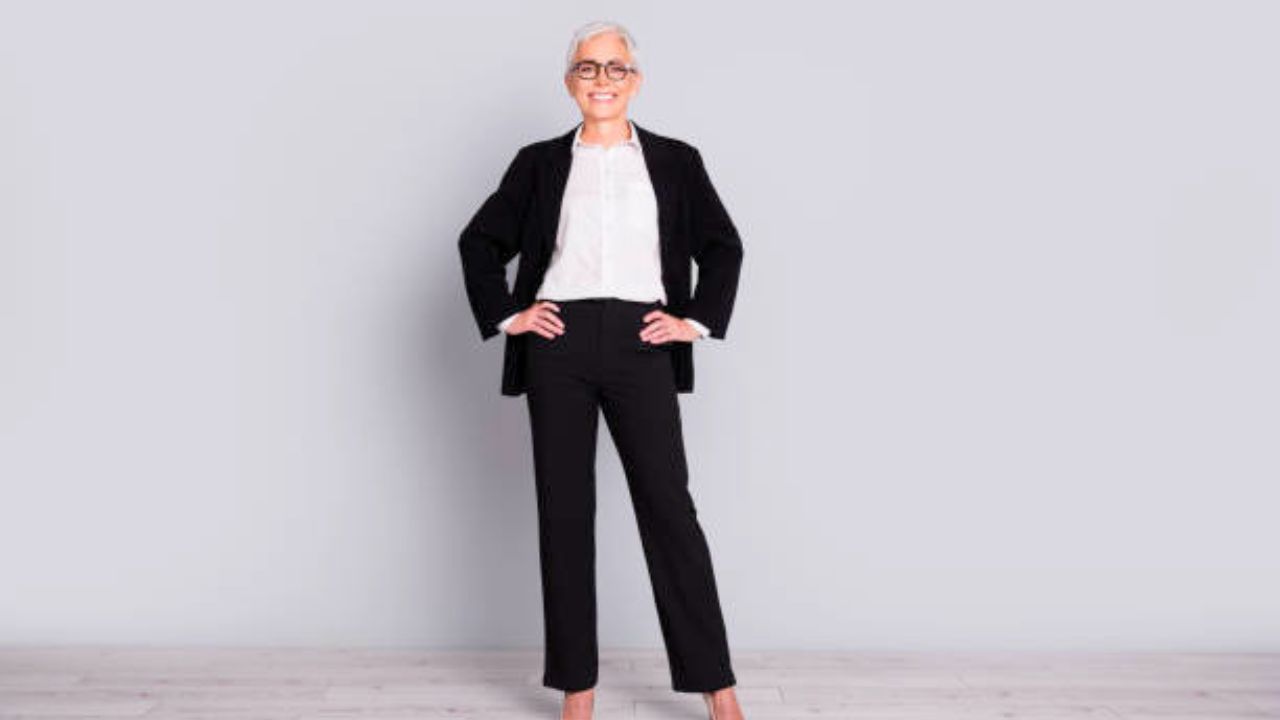
Look for tops that end around your hip bones rather than extending too far down your thighs. Blazers and jackets that finish near the hips can also help create a more flattering shape.
If you love wearing longer tops, you do not have to give them up completely. Try pairing them with slim trousers to keep the lower half of your outfit looking streamlined, or use a small front tuck to create better proportions.
2. Choose Tops That Drape Instead of Simply Covering Your Tummy
Many women believe that adding more fabric will make their tummy less noticeable. Unfortunately, oversized tops can sometimes create the opposite effect because the extra material hangs straight down, making the entire body appear wider.
A better option is to choose tops that drape naturally across your middle. Wrap tops are particularly useful because their diagonal lines guide the eye across the body instead of drawing attention directly to the tummy.
Tops with gentle gathering or draping at one side can create a similar effect. Soft fabrics with a little weight, such as good-quality jersey or satin, can also follow your shape without clinging too tightly.
Before choosing a top, try sitting down in it while looking in a mirror. A top that looks flattering when standing may fold awkwardly when you sit, so finding one that works in both positions can make a real difference.
3. Draw Attention Upward Toward Your Face
When you feel self-conscious about your tummy, it is easy to focus on it every time you look in the mirror. However, your tummy does not have to be the first thing people notice when they see you.

Stylists often use small details to direct attention toward the face. A V-neck, a square neckline, attractive earrings, or a beautiful necklace can help create a natural focal point above the waist.
YOU MAY LIKE


Color can also make a difference. A bright scarf or a blouse in a flattering shade of coral, cobalt blue, or rose pink can bring attention toward your face and brighten your overall appearance.
The goal is not to hide your middle but to create an outfit that draws attention to your favorite features. Your tummy may still be there, but it no longer has to be the center of attention.
4. Wear Open Layers to Create Two Vertical Lines
The lines in your clothing can influence how long and wide your body appears. Horizontal lines tend to draw attention to the point where they cross the body, while vertical lines can guide the eye from your shoulders toward your shoes.
An easy way to create vertical lines is to wear an open blazer, a lightweight cardigan, a long vest, or an unbuttoned shirt over a simple top. The two edges of the open layer frame your middle and create the appearance of a longer, narrower silhouette.
The important detail is to leave the layer open. Buttoning a jacket across your tummy introduces another horizontal line that can draw attention to the very area you want to make less noticeable.
Choose an open layer that fits properly around your shoulders. If you need extra warmth, wear a warmer top underneath rather than buttoning a jacket that creates an unflattering line across your middle.
5. Buy Your True Size Instead of Automatically Sizing Up
It is understandable to reach for a larger size when your clothes feel tight around your tummy. You want enough room to sit comfortably without feeling squeezed, but choosing a size that is too large can sometimes make your body appear wider.
Oversized clothing may hang from the widest part of your bust and continue straight down to your hips. This can hide your natural shape, cause the shoulders to droop, and make the entire outfit look less balanced.
Instead of automatically sizing up, look for a cut that gives you the room you need. A well-designed straight shirt, an adjustable wrap top, or a softly structured blazer can provide comfort without adding unnecessary bulk.
There is also a simple fitting trick you can use when shopping. Check where the shoulder seam sits, as it should generally fall near the edge of your shoulder rather than extending down your upper arm.

If a top pulls across your bust or tummy, try a different cut before assuming you need a larger size. The right design can make a bigger difference than the number on the label.
6. Try a Small Front Tuck to Give Your Outfit More Shape
If you usually wear your tops loose because you are worried about drawing attention to your tummy, a front tuck may be worth trying. This simple styling technique takes only a few seconds and can change the proportions of your entire outfit.
Take the front portion of your blouse or shirt and tuck just a few inches into your waistband. Leave the sides and back loose, then gently pull a little fabric back out so the tuck looks relaxed rather than stiff.
This technique helps show where your legs begin, making them appear longer. It also gives your outfit a little shape without requiring you to squeeze your waist or tuck in the entire top.
A front tuck works especially well with button-up shirts, linen tops, soft blouses, and satin shirts. If you have always avoided tucking in your clothes, start with a small front tuck and see how it looks when you stand and sit.
7. Choose Trousers With a Waistband That Sits in the Right Place
The waistband of your trousers may be one of the biggest reasons your tummy folds over when you sit down. Many trousers sit just below the belly button, placing the waistband directly across the softer part of your middle.
When you sit, that waistband can press into your tummy and push the surrounding flesh upward. This creates a fold that may make you feel uncomfortable, even when the trousers appear perfectly fine while standing.
A simple solution is to try mid-rise or mid-high-rise trousers that sit at or just above your belly button. This moves the waistband away from the softest part of your middle and can provide a more comfortable fit when sitting.
Pay attention to the front of the trousers, too. A smooth, flat front without bulky pockets, heavy pleats, or excess fabric around the zipper can create a cleaner appearance.
If you prefer pull-on trousers, look for styles with a smooth front and elastic at the back. Straight-leg and wide-leg trousers can both work beautifully when the fabric falls cleanly from the hips.
Most importantly, test your trousers while sitting down. If the waistband pinches, digs in, or creates an uncomfortable fold, try another rise or cut rather than assuming your body is the problem.
Comfort Should Always Come First
Although these styling tricks can help you feel more confident in your clothes, comfort should never be sacrificed for appearance. You should be able to sit through an entire lunch without constantly adjusting your waistband or worrying about how your outfit looks.
Shapewear is also a personal choice, not a requirement. You do not need to squeeze your body into uncomfortable garments to look attractive, and finding clothes that fit properly is often a better starting point.
It is also important to recognize when a change in your tummy is not simply a clothing issue. If you notice rapid abdominal growth, persistent bloating, new pain, or swelling, speak with your doctor rather than trying to solve the problem through styling alone.
Remember that these are general styling guidelines, not strict rules. Your comfort, your preferences, and how your clothes fit your body should ultimately guide your choices.
EDITORS' RECOMMENDATIONS



You Do Not Have to Hide Your Tummy to Look Good After 60
Looking stylish after 60 does not require changing your body or hiding yourself beneath layers of oversized clothing. Small adjustments, such as moving your hem, choosing a top that drapes well, wearing an open layer, and selecting trousers with the right waistband, can make your outfits feel more flattering.
The central idea behind all seven tricks is simple: move the lines, not the tummy. Your clothing can guide the eye toward your favorite features while helping you feel comfortable in your own body.
Tomorrow morning, start with just one change. Put on your favorite trousers, sit in front of a mirror, and notice where the waistband crosses your middle and whether it digs in when you sit.
If the waistband presses into the softest part of your tummy, consider trying a mid-rise pair instead. The goal is to find trousers that allow you to sit comfortably without constantly thinking about your clothes.
As Lisa explains, stylists never needed to hide a model’s body to make her look good. They simply moved the lines and sent her out, and you can use the same approach to dress yourself with confidence.