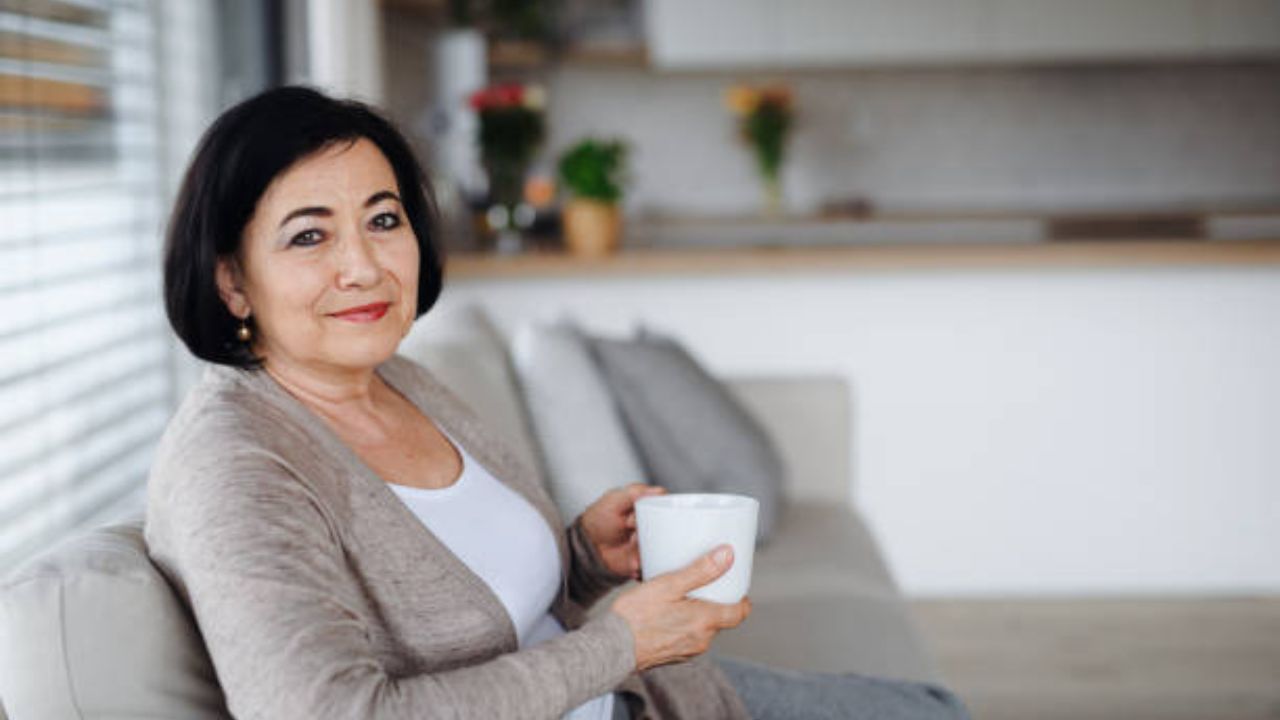
Have you reached a point in life where staying home feels more appealing than going out? Perhaps the noise of the outside world seems louder, social gatherings feel more exhausting, and a quiet afternoon in your favorite chair brings more happiness than a busy schedule. If you’re over 70 and feel this way, you may be discovering something important about yourself rather than losing interest in life.
At this stage, your priorities naturally begin to change. Instead of measuring your days by how much you accomplish or how many places you visit, you may start valuing peace, comfort, and the freedom to live at your own pace. Sometimes, staying home is not about withdrawing from life but about learning to enjoy it differently.
1. You No Longer Need to Prove Your Worth
For many years, life may have revolved around responsibilities, work, family, and the expectations of others. You learned to keep moving even when you were tired because people depended on you, and there was always something that needed to be done.
Over time, however, you begin to understand that your worth is not determined by how busy you are. After decades of giving your time and energy to others, you have already contributed in countless ways. You do not need to keep proving yourself by filling every day with activities.
What matters more now is how you feel when the day becomes quiet. Being able to sit peacefully with yourself, enjoy your surroundings, and feel comfortable without constantly searching for something to do is a valuable achievement in its own right.
2. Your Home Offers a Special Kind of Comfort
There is something reassuring about being in a familiar environment. The chair you love, the gentle sounds of your home, and the way sunlight enters your room can provide a sense of comfort that is difficult to find elsewhere.
Outside, everything may seem faster and more demanding than it once did. Even simple errands or ordinary conversations can leave you feeling tired, making you appreciate the ease of being somewhere you know and understand.
This does not necessarily mean you have become weaker. Instead, you may have become more aware of what drains your energy and what helps you feel restored. Recognizing that difference allows you to make better choices about how you spend your time.
3. Protecting Your Energy Becomes More Important
When you were younger, you might have filled your day with appointments, errands, social gatherings, and responsibilities without thinking much about the energy each activity required. You could often keep going and wake up the next morning ready to do it all again.
As you grow older, you may become more selective about where your energy goes. Some activities leave you feeling happier and more connected, while others take more from you than they give back.
Staying home can give you greater control over how you use your energy. Instead of allowing every invitation or obligation to determine your schedule, you can decide what deserves your attention and when you need time to rest. This is not selfishness or weakness. It is a way of respecting yourself and the life you have lived.
4. Solitude Is Not the Same as Loneliness
One concern many older adults have about staying home is the possibility of becoming lonely. It is understandable to worry about spending too much time alone, especially when friends and family encourage you to get out more often.
However, being alone and feeling lonely are not the same thing. Loneliness can leave you feeling disconnected from others, while chosen solitude can provide a welcome opportunity to relax, think, and enjoy your own company without feeling pressured to respond to anyone.

Some of the most meaningful moments in later life can happen during these quiet periods. You may finally hear your own thoughts clearly after years of focusing on everyone else’s needs, giving yourself the chance to reconnect with the person you have become.
YOU MAY LIKE


Of course, peaceful solitude does not mean you must give up meaningful relationships. You can enjoy your home while still keeping in touch with loved ones, welcoming visitors, and maintaining the connections that bring warmth to your life.
5. Quiet Moments Help You Make Peace With the Past
As you grow older, memories from different periods of your life may begin to surface more often. You might remember a conversation from decades ago, a person you once loved, or a moment that still carries a little sadness.
Instead of pushing these memories away, you can allow yourself to sit with them. Some memories may bring happiness, while others may remind you of disappointments or unfinished chapters. Giving yourself time to reflect can help you understand your experiences and gradually make peace with them.
You do not have to spend your days dwelling on the past. Rather, quiet moments can help you appreciate how far you have come, recognize what you have learned, and accept the experiences that helped shape your life.
There is a kind of emotional healing that can happen when you no longer feel compelled to rush from one responsibility to another. Sometimes, simply allowing yourself to feel what you feel is enough to help your heart become a little lighter.
6. You Become More Selective About People and Places
With age and experience, you may begin to notice how differently certain people and environments affect you. Some conversations leave you feeling encouraged and happy, while others leave you emotionally exhausted even when nothing particularly unpleasant has been said.
This growing awareness can help you make more thoughtful decisions about your relationships and activities. You may realize that you do not need to attend every gathering, accept every invitation, or spend time in environments that make you uncomfortable.
Staying home gives you the freedom to choose when you want company and when you need peace. You can enjoy the people who genuinely enrich your life without feeling obligated to be available to everyone all the time.
You also do not need to explain every decision to others. Some people may not understand why you prefer a quiet evening at home, but you can appreciate their concern without allowing their expectations to control your life.
7. Simple Routines Can Bring Stability to Your Days
A peaceful life does not always require exciting plans or new experiences. Sometimes, the greatest comfort comes from familiar routines, such as waking up at your usual time, preparing a simple meal, enjoying a warm drink, or sitting in your favorite place.
These small patterns create a steady rhythm that can make daily life feel more manageable. When the outside world seems unpredictable, having a familiar routine can provide a reassuring sense of stability.

Slowing down also gives you more opportunities to notice how you feel throughout the day. You can move at a comfortable pace, take breaks when needed, and enjoy ordinary activities without feeling pressured to rush toward the next obligation.
The beauty of these routines lies in their simplicity. You do not need to accomplish something extraordinary every day for that day to have meaning.
8. A Calmer Environment Can Help You Feel More Relaxed
When your surroundings are peaceful, it can become easier to relax and let go of some of the tension you carry. You may find yourself breathing more comfortably, feeling less rushed, and settling into a gentler rhythm throughout the day.
At home, you can make choices that support your comfort. You can rest when you feel tired, enjoy a quiet moment by the window, stretch gently, or take a short walk around your home without worrying about keeping up with anyone else.
These small activities can help you remain connected to your body while respecting your limits. Rather than forcing yourself to follow someone else’s pace, you can pay attention to what feels manageable and adjust your day accordingly.
However, staying home should not mean neglecting your physical needs. Gentle movement, appropriate exercise, social connection, and time outdoors when possible can remain important parts of a healthy life after 70. The goal is to find a pace that feels peaceful and sustainable, not to stop participating in life altogether.
9. You Learn to Let Go of the Guilt of Resting
One of the hardest things about slowing down can be the guilt that comes with it. If you spent decades working hard, caring for others, and keeping yourself busy, you may feel uncomfortable when you begin saying no to activities you once accepted without hesitation.
A small voice might tell you that you should be doing more or that staying home means you are falling behind. These feelings can be difficult to ignore, especially when other people encourage you to maintain a full schedule.
But you have already spent years showing up for others and carrying responsibilities. You have given your time, supported people you love, and done many things that mattered. You do not need to spend the rest of your life proving that you are still valuable.
Rest is not a reward reserved for the days when you have completed every task. It is a legitimate part of caring for yourself, and you can enjoy it without feeling that you have failed to do enough.
10. You Discover the Beauty of an Unhurried Life
When you stop rushing, ordinary moments can begin to feel more meaningful. You might notice afternoon sunlight moving across the room, listen to rain falling against the window, or appreciate the comfort of holding a warm cup in your hands.
These experiences may seem small, but they can bring a quiet kind of happiness. Instead of constantly thinking about where you need to go next, you have the opportunity to experience the moment you are already in.

Meaning also begins to change as you grow older. It becomes less about achievements, possessions, or the number of places you have visited and more about gratitude, awareness, and the ability to appreciate what is already part of your life.
You may discover that contentment does not always come from having more or doing more. Sometimes, it comes from needing less and learning to appreciate the simple things that once went unnoticed.
11. Staying Home Can Help You Live More Intentionally
Choosing to spend more time at home can give you greater control over how your days unfold. You decide when to rest, when to engage with others, and which activities deserve your attention.
This freedom can become especially meaningful after a lifetime of living according to work schedules, family responsibilities, and other people’s expectations. You finally have more room to shape your days around your own needs and preferences.
Over time, the calm you create around yourself may begin to influence how you respond to the world beyond your home. You may feel less pressured by small challenges and more comfortable accepting that not everything requires an immediate response.
EDITORS' RECOMMENDATIONS



Your world does not necessarily have to become smaller just because you spend more time at home. You can refine your life by letting go of unnecessary pressure while preserving the relationships, activities, and experiences that make it meaningful.
Conclusion
If you are over 70 and find yourself enjoying home more than you once did, there is no need to feel ashamed of that preference. You may simply be discovering that peace, comfort, and a slower pace have become more important to you than a busy schedule.
You do not have to attend every gathering, accept every invitation, or spend every day trying to keep up with the world. You can honor your limits, enjoy your own company, maintain meaningful relationships, and allow yourself to appreciate the simple moments that make life worthwhile.
As you move through this stage of life, remember that your days do not need to be filled with activity to be meaningful. Sometimes, the most valuable thing you can do is sit in your favorite spot, breathe a little deeper, and let the day unfold without rushing.
You do not have to be everywhere or do everything. You only need to be present with the life that is already in front of you, treating yourself with the same patience and kindness you have spent so many years giving to others.