Growing older does not automatically mean losing your strength, independence, or enjoyment of life. In fact, some people in their 70s, 80s, and even 90s remain active, mentally sharp, and full of enthusiasm, while others begin experiencing health challenges much earlier.
So, what makes the difference? According to the doctors in this discussion, there are eight important signs that can offer clues about how well you are aging, from your sense of smell and walking speed to your ability to recover from illness. Recognizing these signs can help you pay closer attention to your health and make positive changes before small problems become bigger concerns.
1. You Have a Strong Sense of Smell
Your sense of smell might not be the first thing you think about when evaluating your health after 65, but it can reveal more than you realize. The nerves responsible for smelling have a direct connection to the brain, which is one reason changes in your sense of smell can sometimes be associated with neurological conditions.
Although some loss of smell is common with age, a significant decline deserves attention. Certain infections, sinus problems, and other conditions can also affect your ability to recognize familiar scents, so it does not automatically mean something serious is happening.
One simple way to check your sense of smell is to ask someone to give you five familiar items to identify while your eyes are closed. Coffee grounds, peanut butter, cinnamon, mint, and orange peel are useful examples because they have distinctive smells. If you struggle to recognize several of them, consider discussing the change with your doctor, especially if it is new or getting worse.
2. You Can Still Walk at a Brisk Pace
Walking speed is another useful indicator of how well your body is handling the aging process. While it is normal for movement to change as you grow older, a noticeable decline in walking speed can sometimes signal reduced muscle strength, balance problems, pain, or other underlying health concerns.
People who continue walking regularly often maintain better muscle function and physical independence. Staying active also helps prevent the cycle in which reduced movement leads to weakness, making everyday activities increasingly difficult.
One practical way to assess your walking ability is to notice whether you can cross a pedestrian crossing within the allotted time without rushing dangerously. More importantly, pay attention to whether you can maintain a comfortable, steady pace during your usual walks.
If you notice that you are slowing down considerably, try to understand why. Arthritis, back pain, weakness, balance difficulties, and changes in thinking can all affect walking speed, so a significant change is worth discussing with your healthcare provider.
3. Your Heart Rate Recovers Quickly After Exercise
How quickly your heart rate returns toward normal after physical activity can provide useful information about your cardiovascular fitness. When you exercise, your heart beats faster to supply your muscles with oxygen, and your body’s recovery systems help bring that rate down when you stop.
The doctors explain that a heart rate recovery of around 20 beats per minute or more during the first minute after exercise can be a favorable sign. A smaller decrease, particularly one below 12 beats per minute, may be a reason to investigate further, although the interpretation depends on how the measurement is taken, your health, and the intensity of the exercise.
You can observe this response after an ordinary walk, climbing stairs, or another activity appropriate for your fitness level. Some watches and other devices can measure your heart rate, but you do not need to purchase an expensive wearable to start paying attention to how your body responds to movement.

YOU MAY LIKE


The encouraging part is that cardiovascular fitness can improve with consistent physical activity. If your recovery seems slower than expected, or you experience unusual breathlessness, dizziness, chest discomfort, or palpitations, seek appropriate medical advice rather than simply pushing yourself harder.
4. You Still Have a Healthy Appetite
A healthy appetite can be a reassuring sign that you are maintaining your nutritional needs and enjoying your daily life. Older adults who continue to feel hungry at appropriate times and take pleasure in their meals may be better positioned to maintain their strength and energy.
On the other hand, a sudden loss of appetite can be concerning, particularly when it comes with unintentional weight loss. Changes in smell and taste, depression, medication side effects, infections, and other health conditions can all reduce someone’s interest in food.
When an older person starts eating less, the effects can build up quickly. Inadequate nutrition can lead to muscle loss, weakness, and poorer recovery from illness, making it harder to remain independent.
Pay attention to changes in your eating habits instead of dismissing them as an inevitable part of aging. If you have lost your appetite, are losing weight without trying, or struggle to eat enough, speak with your healthcare provider to identify the cause and find a suitable solution.
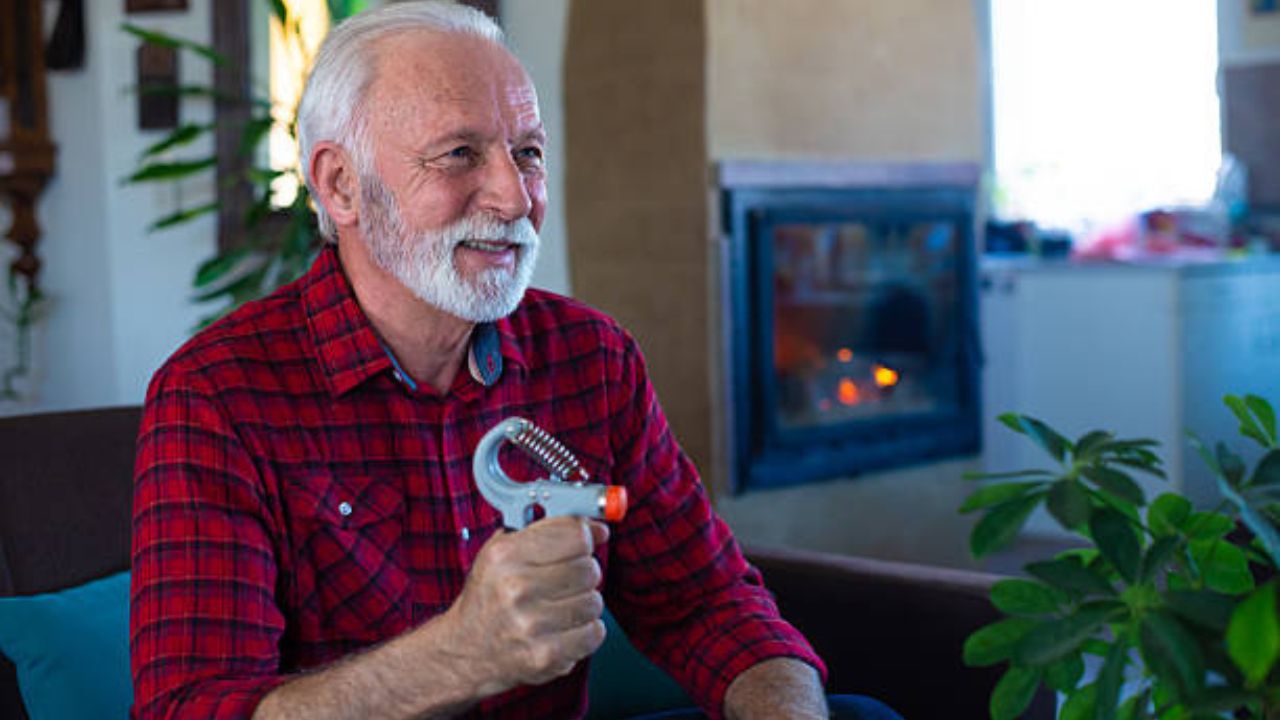
5. You Have Good Grip Strength
Grip strength may seem like a small detail, but it can offer valuable clues about your overall muscle function. A firm handshake or the ability to hold and carry everyday objects comfortably may reflect how well you are maintaining your strength as you age.
Muscle loss, known as sarcopenia, becomes an increasing concern in later life because it can affect mobility, balance, and independence. Reduced grip strength has also been associated with frailty and a greater risk of falls.
However, the change in your strength matters more than whether you have always had a naturally strong handshake. Someone who has never had a particularly firm grip may be doing perfectly well, while a person who experiences a noticeable decline in strength should pay closer attention.
The good news is that muscle strength can often be maintained or improved through appropriate exercise. Resistance bands, light dumbbells, and other strength-building activities can help, even if you need to exercise while seated. Start at a level suited to your abilities and increase gradually as your strength improves.
6. You Are Not Taking Unnecessary Medications
The number of medications you take can be another factor worth reviewing as you get older. Although many medicines are essential and can prevent serious complications, taking several medications can increase the risk of side effects and interactions, particularly when their combined effects are not regularly reviewed.

One concern raised by the doctors is a prescribing cascade, which occurs when a side effect from one medication is mistaken for a new medical problem and another medication is prescribed to treat it. Over time, this can leave someone taking more medicines than necessary.
If you are prescribed a new medication, ask your doctor why you need it, what benefits to expect, and how its effectiveness will be evaluated. It is also reasonable to ask whether it is intended for long-term use and whether there are circumstances in which the treatment could be reduced or stopped.
However, taking fewer medications does not automatically mean you are healthier. Some conditions require ongoing treatment, and stopping a prescribed medicine without medical guidance can be dangerous. The goal is to use the right medications at the right doses and review them regularly with a qualified healthcare professional.
7. You Continue Making Future Plans and Adapting to Change
Aging well is not just about physical strength. Your attitude toward the future, your willingness to try new things, and your ability to adapt to changing circumstances can also play important roles in your well-being.
People who continue making plans often have things they look forward to, whether it is visiting family, traveling somewhere new, working in the garden, or attending an event they enjoy. These activities can provide a sense of purpose and give everyday life something meaningful to work toward.
Of course, your plans do not need to be expensive or ambitious. Looking forward to a visit with your grandchildren next month or starting a small project at home can be just as meaningful if it gives you a reason to stay engaged.
Adaptability matters, too, because life rarely remains the same. Health changes, family circumstances, and unexpected challenges can require adjustments, but remaining open to new possibilities can make those transitions easier to manage.
You do not have to stop learning, growing, or exploring simply because you have passed 65. Continuing to develop your interests and maintain meaningful connections can help you remain engaged with the world around you.
8. You Recover Quickly After an Illness or Injury
The ability to bounce back after an illness, injury, or hospital stay is one of the most important signs discussed by the doctors. As we grow older, recovery can become more challenging, and some people struggle to regain the strength and independence they had before a health setback.
A person who enters an illness with good muscle strength, adequate nutrition, and regular physical activity may be better equipped to recover. These factors can help the body cope with physical stress and make it easier to return to everyday activities.
Recovery also depends on what happens during and after an illness. Following appropriate medical advice, eating enough nutritious food, getting adequate protein, and resuming movement as soon as it is safe can help reduce muscle loss and physical deconditioning.
Your mindset can make a difference as well. Remaining determined, participating in rehabilitation when recommended, and working toward realistic recovery goals can help you regain confidence and function.
However, recovering slowly does not necessarily mean you are aging poorly. The severity of an illness, the type of injury, existing health conditions, and access to treatment all influence recovery. If you experience a significant decline in your abilities after an illness, ask your healthcare team about rehabilitation and the steps that may help you regain strength.
How to Use These Signs to Support Healthy Aging
These eight signs are best viewed as clues rather than a definitive test of how well you are aging. You do not need to score perfectly in every area to enjoy a healthy and fulfilling life, and a single change does not automatically mean that a serious condition is developing.
Instead, pay attention to patterns and changes over time. If you notice that your walking speed has dropped, your appetite has disappeared, your grip has weakened, or your recovery from illness is becoming more difficult, discuss these changes with your doctor.
EDITORS' RECOMMENDATIONS



You can also take practical steps to support your health by staying physically active, maintaining a balanced diet, preserving muscle strength, keeping up with activities you enjoy, and reviewing your medications regularly. Small, consistent efforts can make a meaningful difference in maintaining your independence and quality of life.
Conclusion
Aging well is not simply about reaching a certain birthday. It is about maintaining as much strength, independence, resilience, and enjoyment of life as possible as the years pass.
The doctors emphasize that a healthy sense of smell, steady walking, good heart rate recovery, a healthy appetite, strong grip strength, appropriate medication use, future plans, and the ability to recover from illness can all provide useful clues about your well-being. None of these signs guarantees a particular health outcome, but paying attention to them can help you recognize changes and take action when necessary.
Most importantly, you do not have to give up on improving your health just because you are getting older. Keep moving within your abilities, nourish your body, continue exploring the world, and remain proactive about your health. There is still plenty to enjoy, and taking care of yourself can help you make the most of the years ahead.